The first seventy-two hours
In a disaster the scarcest resource is not food or blankets. It is knowing who is where and what they need.
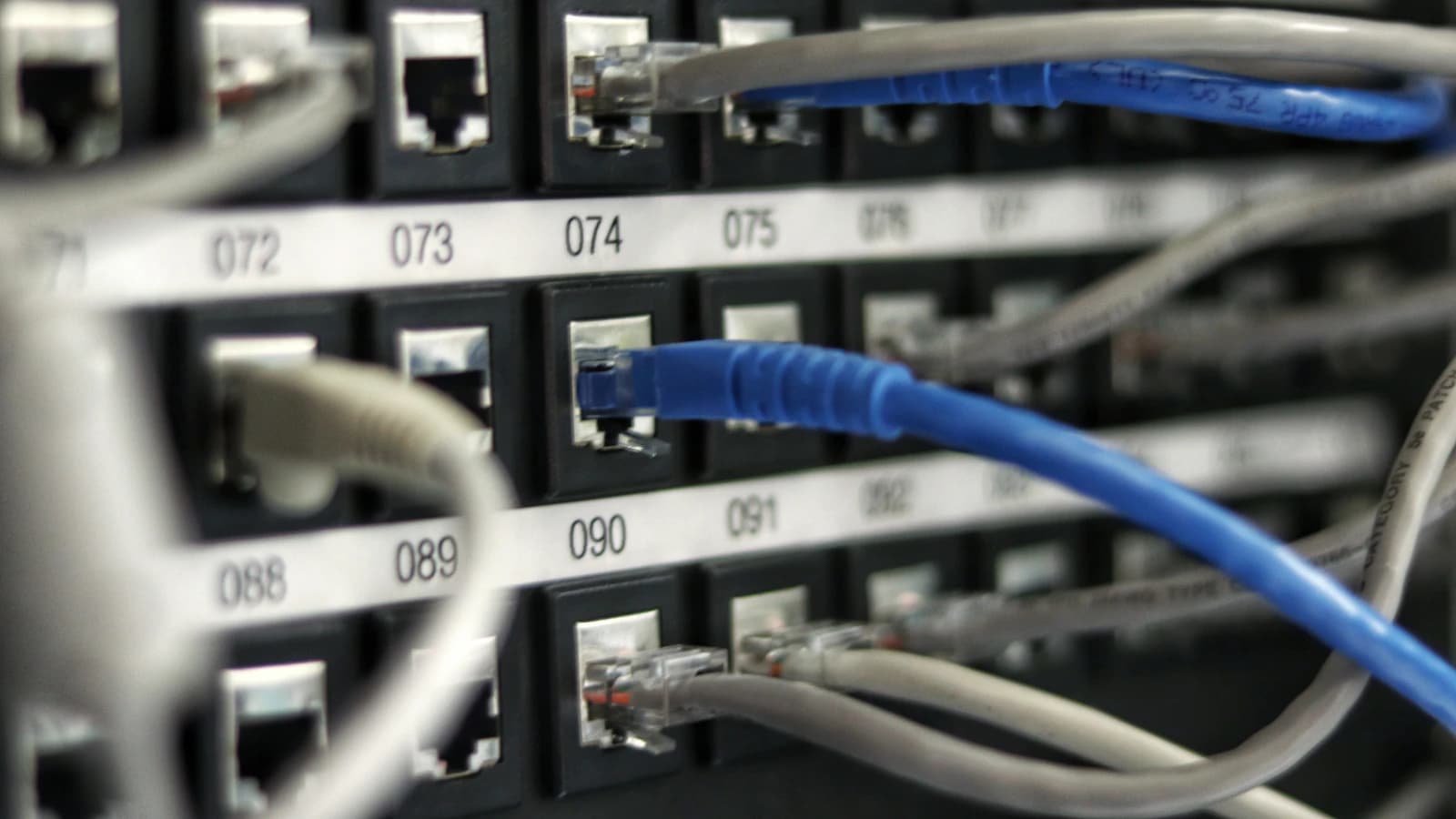
After Cyclone Yaas, the first thing a relief agency asked us for was not supplies. It was a working phone line and somewhere to charge a handset.
That request is the reason Signal in the Storm exists.
Why communications come first
In the opening days of a disaster, relief moves at the speed of information. Which road is passable, which village has been cut off, where the medical need is. When the towers go down that information stops moving, and a well-resourced response slows to the pace of rumour.
Restoring a link is not glamorous and it is not what donors picture. It is also the intervention that makes every other intervention work.
Staged, not shipped
Equipment sent after an event arrives late and often cannot get through. So we pre-position it: satellite terminals, portable base stations and power, staged in cyclone and flood-prone districts before the season, with an engineer roster on standby and a drill run with the district administration each spring.
Only when asked
We deploy only on request from the district administration, and we hand over to the permanent network operator the moment they are ready.
This is a discipline rather than a limitation. Uninvited responders consume the very capacity they came to add — road space, fuel, coordination time — and the most useful thing an organisation can often do in the first week is stay out of the way.